SEO Strategy for Small Business: A Complete Beginner's Guide
Building a smart SEO strategy doesn't have to be complicated. Here's a clear, practical roadmap small businesses can actually use to grow visibility.
Every small business owner reaches a point where they wonder why their website isn't showing up when customers search for what they sell. The answer usually comes down to one thing: a clear SEO strategy. Search engine optimization can look intimidating from the outside, filled with jargon and constantly shifting rules, but at its core it is simply the practice of helping search engines understand your website so they can connect it with the people already looking for it. This guide breaks down what a working SEO strategy looks like for a small business, without the fluff.
Why an SEO Strategy Matters for Small Business Growth
Unlike paid ads, organic search traffic keeps working long after the initial effort is made. A well-optimized blog post or service page can attract visitors for months or years, making SEO one of the more cost-efficient channels available to businesses with limited marketing budgets. This matters whether you sell directly to consumers or run a B2B operation, because buyers in both categories now research online before making contact. A B2C shopper compares products and reviews before checking out, while a B2B decision-maker reads case studies and comparison articles before booking a call. In both cases, showing up at the right moment in that research phase can be the difference between winning and losing the customer entirely.
Google's own SEO Starter Guide frames the goal simply: the aim is to help search engines find and make sense of your content, not to trick them into ranking a page that does not deserve it. That framing is a useful starting point for any small business building its first SEO strategy, because it keeps the focus on genuine usefulness rather than shortcuts.
Start With Keyword Research That Reflects Real Intent
Every SEO strategy begins with understanding the words your customers actually type into search engines. Rather than guessing, look at the specific problems your product or service solves and the questions customers ask before buying. A bakery might discover that people search for "gluten-free birthday cake near me," while a software company might find that prospects search for "how to automate invoice reminders." These phrases, often called long-tail keywords, tend to have less competition and higher intent than broad, generic terms.
Group these keywords into themes, then assign one primary theme to each page on your site. A single page trying to rank for a dozen unrelated terms rarely performs well. Instead, build a small set of focused pages, each one answering a specific question thoroughly. This approach also supports a broader content plan, since related subtopics can become future blog posts that link back to your core service pages.
On-Page Foundations: Content, Structure, and User Experience
Once you know which topics to target, the content itself needs to deliver. Write in a way that answers the reader's question early, then expands with supporting detail, examples, and context. Break long sections into shorter paragraphs, use descriptive subheadings, and keep sentences readable. A page that is difficult to scan will lose visitors quickly, regardless of how well it ranks.
Title tags and meta descriptions deserve particular attention, since they are often the first thing a potential customer sees in search results before clicking through. Descriptive title tags and meta descriptions can meaningfully affect click-through rates, so they are worth writing with the same care as the page content itself. Internal linking also plays a quiet but important role here: connecting related pages helps visitors find more of what they need and helps search engines understand how your site is organized.
Technical Basics Every Small Business Should Get Right
Technical SEO sounds complex, but for most small businesses it comes down to a handful of essentials. Your site should load quickly, display correctly on mobile devices, and use HTTPS for security. Broken links and duplicate pages should be cleaned up periodically, since both can confuse search engines and frustrate visitors. If your website runs on a common platform such as WordPress, Shopify, or Wix, many of these technical needs are already handled by built-in tools or plugins, so this stage rarely requires custom development work.
Setting up a free tool such as Google Search Console is one of the more valuable early steps, since it shows which queries bring people to your site, flags indexing issues, and helps you monitor your site's presence in search over time.
Local SEO: A Practical Layer for Both B2C and B2B
For businesses that serve a specific city, region, or service area, local SEO adds another layer worth prioritizing. Claiming and completing a Google Business Profile, gathering genuine customer reviews, and targeting location-specific keywords are highly effective for small businesses, and this holds true whether the business sells directly to consumers or provides services to other companies within a defined territory. A well-maintained profile also gives potential customers quick access to hours, directions, and contact details before they ever reach your website.
Earning Trust Through E-E-A-T and Helpful Content
Google's quality rater guidelines place significant weight on a concept known as E-E-A-T: experience, expertise, authoritativeness, and trustworthiness. The framework rewards content that reflects genuine, first-hand knowledge, whether that means a product has actually been tested or a place has actually been visited, rather than information assembled secondhand. For a small business, this translates into practical habits: writing from genuine expertise, citing credible sources, keeping author and business information visible, and avoiding vague or recycled advice that adds nothing new.
Helpful content guidance from Google also encourages creators to evaluate their pages by asking who the content serves, how it was produced, and why it exists in its current form, a useful self-check before publishing anything new. Small businesses that consistently apply this lens tend to build the kind of durable authority that supports long-term rankings, rather than chasing short-lived tricks that search engines eventually penalize.
Tracking Progress and Adjusting Your Approach
SEO rewards patience more than any other marketing channel. Meaningful ranking improvements often take a few months to appear, so it helps to track a handful of clear metrics from the start: organic traffic, keyword rankings, click-through rate, and conversions from search visitors. Reviewing this data monthly makes it easier to spot which pages are gaining traction and which topics deserve a second look or an update.
An SEO strategy is never really finished. Search behavior shifts, competitors publish new content, and algorithms are refined over time. Businesses that treat SEO as an ongoing habit, rather than a one-time project, are the ones that tend to hold their rankings steady even as the landscape changes around them.
Turning Strategy Into Sustainable Growth
Building visibility in search results is less about finding a hidden trick and more about consistently doing the fundamentals well: understanding your customers, creating genuinely useful content, keeping your site technically sound, and earning trust over time. Small businesses that commit to this steady approach usually find that organic search becomes one of their most reliable sources of new customers.
If putting all of these pieces together feels like more than your team has time for, Catha Digital Agency can help. Our SEO services are built around the same principles covered in this guide, tailored to your industry and goals, and paired with our broader digital marketing capabilities, from content and social media to web development and data analytics. Reach out to Catha Digital Agency whenever you are ready to turn your search presence into steady, measurable growth.
Read More
View all insights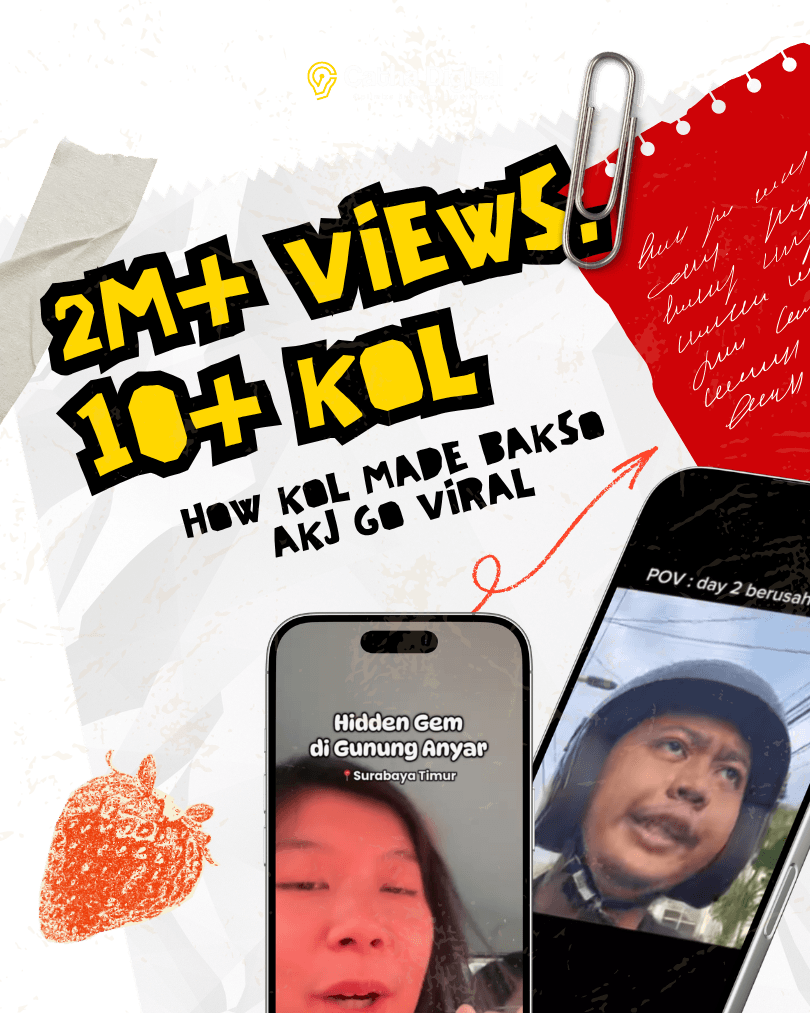
Strategy Over Scale: How Catha Digital Turned 14 Creators Into 2.1M Views for Bakso AKJ
Bakso AKJ was never short on love from its regulars, it just hadn’t met its next generation of fans yet. Catha Digital introduced them through 14 creators who talked about the food the way real customers do.

What Is Brand Identity? A Guide for Growing Businesses
Brand identity shapes how customers see and remember your business. Learn what it is, why it matters, and how to build one that lasts.

Turning a Small Budget Into a 152x Return for an Everyday Eco-Lifestyle Brand
Goenakan Indonesia is a Surabaya-based brand selling eco-friendly products, most of it as custom corporate and event merchandise. Catha was brought in to fix a paid social approach that wasn’t speaking to how those buyers actually decide, and turned a small test budget into the most efficient campaign the brand has run to date.